
Gallbladder stones are usually thought of as an adult problem, but they can also occur in children. Hearing that your child has stones can feel surprising—and worrying. The first question most parents ask is simple: Will my child need surgery?
The answer depends on symptoms, risk factors, and how the stones are affecting the gallbladder.
What are gallbladder stones?
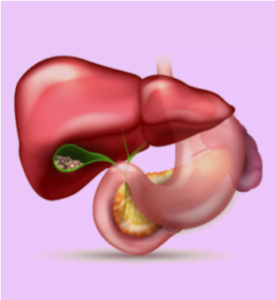
The gallbladder is a small organ under the liver that stores bile, a digestive liquid that helps break down fats. Sometimes, this bile hardens into small, pebble-like deposits called gallstones.
Some children may have a single stone, while others can develop many.
Why do children get gallstones?
Several factors can increase the risk:
- Blood disorders such as sickle cell disease
- Obesity or rapid weight loss
- Certain infections
- Long-term medications
- Family history
- Problems in bile composition
In many children, however, no clear cause is found.
Symptoms parents should watch for
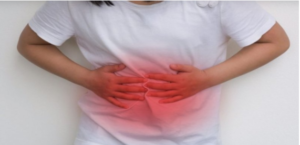
Many gallstones are silent and cause no trouble. They may be discovered accidentally during an ultrasound done for another reason.
When symptoms occur, they may include:
- Pain in the upper right abdomen.
The pain usually lasts at few minutes and may continue for a few hours. It is commonly felt in the upper right abdomen. Younger children may struggle to describe the exact location.
Older children may report pain that:
- Is in the upper or middle belly
- Spreads to the back or between the shoulder blades
- Feels sharp, cramping, or dull
- Comes and goes
- Starts after meals, especially fatty or greasy foods
- Pain after fatty meals
- Nausea or vomiting
- Fever (if infection develops)
- Yellowing of eyes or skin (jaundice) in complicated cases
- Pain episodes may come and go but tend to repeat.
Diagnosing Gallstones
Ultrasound Examination
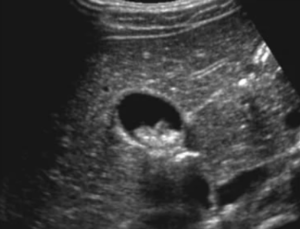
Doctors most commonly detect gallstones through an ultrasound. This test uses sound waves that bounce off the gallbladder and nearby organs to create images on a monitor. By reviewing these pictures, the doctor can clearly identify the presence of stones.
Other Imaging Tests
In some situations, additional imaging may be needed to look for blocked bile ducts or to evaluate how well the gallbladder is functioning. Depending on your child’s condition, the doctor may recommend Abdominal X-ray.
When are gallstones dangerous?
Trouble begins when stones block a duct. This can lead to:
- Cholecystitis (infection/inflammation of the gallbladder)
- Pancreatitis (inflammation of the pancreas)
- Obstruction of bile flow
These situations require urgent medical care.
Is surgery always necessary?
Not always.
If your child’s gallstones don’t cause symptoms, treatment may not be needed. Doctors may simply monitor with periodic follow-ups.
However, surgery becomes the best option if:
- Pain keeps returning
- Infection develops
- There are complications like jaundice or pancreatitis
- Stones interfere with daily life
Repeated attacks rarely settle permanently without treatment.
What is the surgery?
The procedure is called cholecystectomy—removal of the gallbladder. It’s OK not to have a gallbladder. If your child doesn’t have a gallbladder, the bile will simply flow from the liver directly into the intestine. Your child should be able to eat normally and continue with normal activities after having the gallbladder removed. The most common symptom after removing the gallbladder is loose stool, especially after eating a fatty meal. Most children do not have this problem. Children can live completely normal, healthy lives without it.
Most operations today are laparoscopic (minimally invasive):
- Tiny cuts
- Less pain
- Short hospital stay
- Faster return to school and play
- Minimal scarring
In complicated cases, an open surgery may be required, but that is less common.
Recovery after surgery
Kids usually bounce back quickly.
- Many go home within 1–2 days
- Light activity resumes soon
- Normal diet is gradually restarted
- Full recovery often happens within a few weeks
Your surgical team will guide you about wound care and activity limits.
After gallstone surgery
While the idea of surgery can feel overwhelming, gallbladder removal is a routine and safe pediatric procedure with excellent outcomes. Once the stones are gone, the pain and risk of future attacks usually disappear.
If your child complains of repeated upper abdominal pain, especially after meals, don’t ignore it. Early evaluation can prevent emergencies and provide peace of mind.
Gallstone Care at Kidsurg Clinic – Expertise You Can Trust
At Kidsurg Clinic, Dr. D. Bhadoo has extensive experience in treating children with gallstones. He himself performs the surgery and the treatment related to disease, including concerns involving the liver, bile ducts, or pancreas. From diagnosis to recovery, yourgallstone child is in experienced hands. When you visit Kidsurg Clinic, you are supported by a dedicated team that cares for your child before, during, and after surgery.
Contact Us
Dr. D. Bhadoo — an experienced and trusted pediatric surgeon specializing in emergency surgeries for children.
Book your appointment today
Phone – +91-9729300079
Email – kidsurg7@gmail.com