
Early Diagnosis, Timely Surgery, Excellent Outcomes
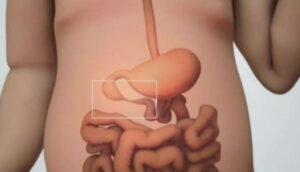 Duodenal Atresia is a congenital (present at birth) condition in which a portion of the duodenum — the first part of the small intestine — is completely blocked. Because of this blockage, food and fluids cannot pass from the stomach into the intestines.
It is a rare but serious condition that requires early medical attention and surgical correction. With timely diagnosis and expert pediatric surgical care, outcomes are generally very good.
What is Duodenal Atresia?
The duodenum is the first segment of the small intestine, located just after the stomach. In children with Duodenal Atresia, this part of the intestine does not develop properly during pregnancy.
Instead of being open and continuous, it is closed or absent at a segment.
This leads to intestinal obstruction immediately after birth.
Causes of Duodenal Atresia
Duodenal Atresia occurs during fetal development, typically between the 8th and 10th week of pregnancy. It happens when the duodenum fails to recanalize (reopen) properly.
While the exact cause is not always known, it is commonly associated with:
- Chromosomal conditions such as Down syndrome
- Congenital heart defects
- Other gastrointestinal anomalies
It is not caused by anything the mother did or did not do during pregnancy.
Symptoms of Duodenal Atresia in Newborns
Symptoms usually appear within the first 24–48 hours after birth. Common signs include:
- Persistent vomiting (often green or bile-stained)
- Swelling of the upper abdomen
- Failure to pass normal first stool (meconium)
- Feeding intolerance
Bile-stained (green) vomiting in a newborn is a surgical emergency and requires immediate medical evaluation.
How is Duodenal Atresia Diagnosed?
1. Prenatal Diagnosis
In many cases, Duodenal Atresia is detected during pregnancy through ultrasound. The classic finding is the “double bubble” sign — showing a distended stomach and duodenum filled with fluid.
2. After Birth
If not diagnosed before birth, doctors perform:
- Abdominal X-ray (shows the classic double bubble appearance)
- Clinical examination
- Evaluation by a pediatric surgeon
- Screening for associated anomalies (heart, chromosomal conditions)
Early involvement of a pediatric surgical team is crucial for proper planning and safe treatment.
Treatment of Duodenal Atresia
Surgery is the only definitive treatment.
Pre-Surgical Care
Before surgery, the baby is stabilized with:
- Intravenous fluids
- Nasogastric tube to decompress the stomach
- Monitoring in the neonatal intensive care unit (NICU)
Surgical Procedure
The standard operation is called a duodenoduodenostomy, where the surgeon connects the healthy parts of the duodenum to bypass the blocked segment.
This surgery is usually performed within the first few days of life.
Recovery and Treatment
With modern neonatal care and pediatric surgical expertise, survival rates are excellent — above 90–95% in otherwise healthy babies.
After surgery:
- Feeding gradually resumes
- Most babies recover well
- Long-term digestive function is typically normal
Outcomes are even better when the condition is diagnosed early and managed in a specialized pediatric surgical center.
Why Early Pediatric Surgical Evaluation Matters
Early diagnosis allows:
- Prevention of complications such as dehydration or electrolyte imbalance
- Safe planning of surgery
- Screening for associated congenital conditions
- Better overall outcome
A multidisciplinary team including neonatologist, pediatric surgeon, anesthetist, and pediatric cardiologist ensures comprehensive care.
When Should Parents Seek Urgent Help?
Parents should seek immediate medical care if a newborn has:
- Green (bile-stained) vomiting
- Persistent vomiting after every feed
- Abdominal swelling
- Refusal to feed
Prompt medical attention can be life-saving.
Key Takeaway
Duodenal Atresia may sound alarming, but it is a treatable congenital condition. With advances in neonatal intensive care and pediatric surgery, most children go on to live healthy, normal lives.
Early recognition, timely referral to a pediatric surgeon, and structured postoperative care are the keys to excellent outcome.