
What Parents Should Know
When a child complains of stomach pain or passes blood in the stool, it can be alarming for any parent. One lesser-known but important condition that can cause such symptoms is Meckel’s diverticulum. Although it is present from birth, many children never experience problems. Understanding the condition can help you stay informed and prepared.
What Is Meckel’s Diverticulum?
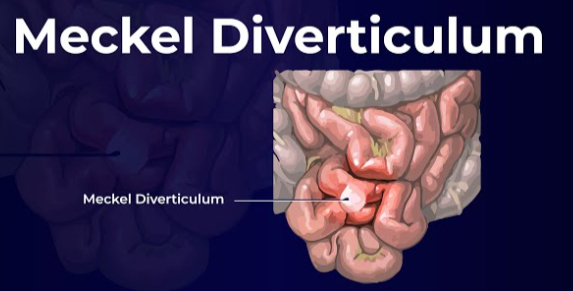
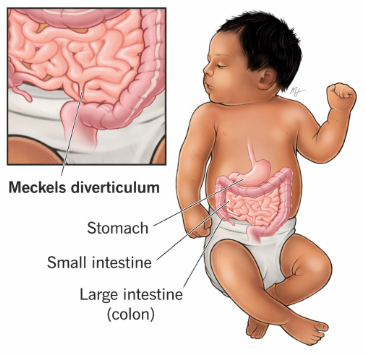 Meckel’s diverticulum is a small pouch or bulge in the lower part of the small intestine. It is a congenital condition, meaning a child is born with it.
During early fetal development, the intestines are connected to the umbilical cord through a structure called the vitelline duct. Normally, this duct disappears before birth. If it does not close completely, a small pouch may remain in the intestine — this is known as Meckel’s diverticulum.
It is one of the most common congenital abnormalities of the gastrointestinal tract, occurring in about 2% of the population. However, most children with Meckel’s diverticulum never develop symptoms.
Symptoms of Meckel’s Diverticulum
Many children with Meckel’s diverticulum do not show any signs. When symptoms do occur, they are usually seen in younger children, especially under 5 years of age.
Common symptoms include:
1. Painless Rectal Bleeding
This is the most common symptom in children. Parents may notice bright red or dark maroon blood in the stool. The bleeding happens because the pouch may contain stomach-like tissue that produces acid, which can cause ulcers in the nearby intestine.
2. Abdominal Pain
Pain may mimic appendicitis. The child may complain of pain in the lower right side of the abdomen.
3. Intestinal Obstruction
The diverticulum can sometimes twist or cause blockage in the intestine. Symptoms of obstruction include:
- Severe abdominal pain
- Vomiting
- Swollen abdomen
- Constipation
4. Inflammation (Diverticulitis)
The pouch can become inflamed or infected, leading to fever and abdominal tenderness, similar to appendicitis.
What Causes Meckel’s Diverticulum?
Meckel’s diverticulum is not caused by diet, infection, or lifestyle. It develops before birth due to incomplete closure of the vitelline duct during fetal development.
There are no known risk factors related to pregnancy or parenting. It is simply a developmental variation that occurs naturally.
How Is Meckel’s Diverticulum Diagnosed?
If a child presents with unexplained intestinal bleeding or symptoms of obstruction, doctors may recommend:
- Blood tests (to check for anemia)
- Ultrasound or CT scan
- A special imaging test called a Meckel’s scan (Technetium-99m scan), which helps detect abnormal stomach tissue inside the diverticulum
What Is the Treatment for Meckel’s Diverticulum?
Treatment depends on whether the child has symptoms.
1. If Symptoms Are Present
Surgery is usually recommended. The surgeon removes the diverticulum, and in some cases, a small portion of the intestine may also be removed.
This procedure can often be performed using minimally invasive (laparoscopic) surgery, which means:
- Smaller incisions
- Faster recovery
- Less post-operative pain
Most children recover well and return to normal activities within a few weeks.
2. If It Is Found Incidentally
Sometimes Meckel’s diverticulum is discovered accidentally during surgery for another condition. Whether to remove it or not depends on:
- The child’s age
- The size of the diverticulum
- The presence of abnormal tissue
The pediatric surgeon will decide based on risk factors and overall health.
Should I Worry If My Child Has Meckel’s Diverticulum but No Symptoms?
In most cases, no.
If your child has no symptoms, the chance of future complications is relatively low. Many people live their entire lives without knowing they have Meckel’s diverticulum.
However, you should seek medical attention if your child develops:
- Unexplained rectal bleeding
- Severe abdominal pain
- Repeated vomiting
- Signs of intestinal blockage
Early diagnosis and treatment lead to excellent outcomes.
When to See a Doctor
Contact a pediatrician immediately if you notice:
- Blood in your child’s stool
- Sudden, severe abdominal pain
- Persistent vomiting
- Unusual weakness or pallor (which may indicate blood loss)
Prompt evaluation ensures that serious complications are avoided.
In Summary: What Matters Most
Meckel’s diverticulum is a common congenital condition that often remains silent. While it can cause bleeding or abdominal problems in some children, modern diagnostic tools and surgical techniques make treatment safe and highly effective.
As a parent, awareness is key. If your child experiences unusual gastrointestinal symptoms, early medical consultation can make all the difference.