
Keeping children healthy goes beyond good nutrition and regular exercise—it also includes teaching proper hygiene habits. Urogenital infections in kids are common and may lead to discomfort, burning sensation, itching, irritation, or frequent urination. If left untreated, some infections can become serious and affect a child’s overall well-being.
The good news is that many of these infections can be prevented with simple daily hygiene practices. By helping children learn healthy routines early, parents can protect them now while building habits that last a lifetime.
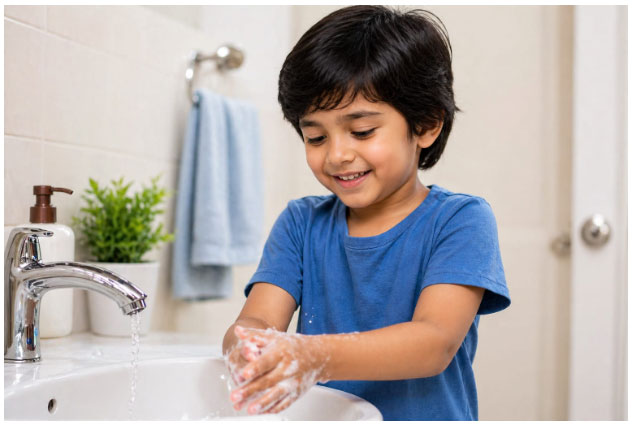
What Are Urogenital Infections in Children?
Urogenital infections affect the urinary system (kidneys, bladder, urethra) or the genital area. These may include:
- Urinary Tract Infections (UTIs)
- Skin irritation or fungal infections around the genital area
- Bacterial infections caused by poor hygiene
- Inflammation due to moisture, tight clothing, or irritants
Common Symptoms to Watch For
Parents should look for:
- Pain or burning while urinating
- Frequent urge to urinate
- Redness or itching in private areas
- Foul-smelling urine
- Fever without clear cause
- Bedwetting after being dry earlier
- Lower tummy pain or discomfort
If symptoms persist, consult a pediatrician promptly.
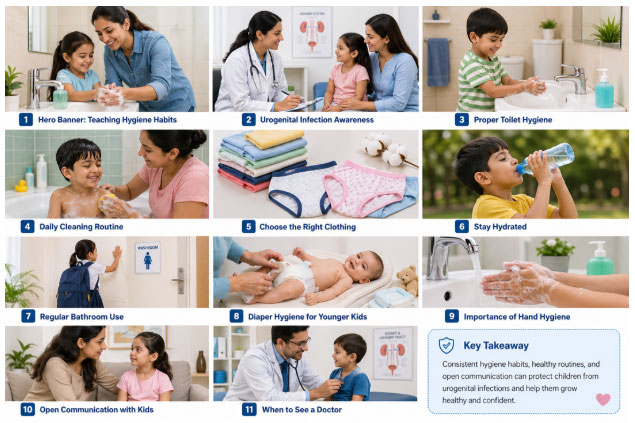
1. Teach Proper Toilet Hygiene
One of the most important ways to prevent infections is correct toilet hygiene.
For Girls:
Teach them to wipe from front to back after using the toilet. This prevents bacteria from the anal area reaching the urinary tract.
For Boys:
Ensure the genital area is gently cleaned during bathing. Older boys should learn proper washing habits.
Parents should supervise younger children until they can manage independently.
2. Maintain a Daily Cleaning Routine
Daily bathing helps remove sweat, dirt, and bacteria.
Best Practices:
- Use mild, fragrance-free soap
- Wash gently—avoid scrubbing sensitive skin
- Rinse thoroughly
- Dry the area completely after bathing
Avoid perfumed products, bubble baths, or harsh soaps, as they may irritate delicate skin.
3. Choose Breathable Clothing
What children wear can directly impact hygiene.
Best Clothing Choices:
- Cotton underwear
- Loose-fitting clothes
- Clean sleepwear
Avoid:
- Tight jeans
- Synthetic underwear
- Staying in wet swimsuits too long
Moisture and heat encourage bacterial or fungal growth.
4. Encourage Hydration
Drinking enough water is essential for urinary health.
Water helps:
- Flush bacteria from the urinary tract
- Reduce concentrated urine irritation
- Support bladder function
Encourage children to drink water throughout the day instead of sugary drinks.
5. Don’t Let Kids Hold Urine Too Long
Many children avoid bathroom breaks while playing or at school. Holding urine too long increases the risk of infections.
Teach Kids To:
- Use the toilet regularly
- Go when they feel the urge
- Never “hold it in” for long periods
Regular urination keeps the bladder healthy.
6. Diaper Hygiene for Babies & Toddlers
For younger children in diapers, hygiene is especially important.
Diaper Care Tips:
- Change wet diapers promptly
- Clean gently with water or baby wipes
- Allow skin to dry before a fresh diaper
- Use diaper rash cream if needed
Leaving diapers wet for long periods may lead to irritation and infection.
7. Handwashing Is a Must
Children touch many surfaces during the day, collecting germs easily.
Teach them to wash hands:
- Before using the toilet
- After using the toilet
- Before meals
- After outdoor play
Use soap and water for at least 20 seconds.
8. Promote Open Communication
Some children may feel shy discussing discomfort.
Parents should encourage kids to speak up if they notice:
- Pain while urinating
- Itching
- Redness
- Bad smell
- Wetting accidents
- Any unusual discomfort
Early treatment prevents complications.
When to See a Doctor
Seek medical help if your child has:
- Fever
- Burning urination
- Blood in urine
- Frequent infections
- Severe itching or rash
- Belly pain
- Difficulty urinating
Timely treatment is important.
Final Thoughts
Preventing urogenital infections in kids doesn’t require complicated steps—just consistent hygiene habits, proper hydration, breathable clothing, and healthy bathroom routines.
Teaching children these habits early helps keep them comfortable, healthy, and confident as they grow.
By making hygiene part of everyday life, parents can reduce infection risks and promote lifelong wellness.