
Phimosis Treatment in Jaipur
Expert Diagnosis & Child-Friendly Care by Dr. D. Bhadoo
Phimosis is a common condition in boys where the foreskin cannot be pulled back over the head of the penis. While this is a normal part of development in most infants and young children, some boys may experience symptoms such as pain, recurrent infections, difficulty passing urine, or persistent tightness that requires medical attention. Knowing when phimosis is a normal developmental stage and when it needs treatment can help parents make informed decisions for their child’s health.
Dr. D. Bhadoo, an experienced Pediatric Surgeon and Pediatric Urologist in Jaipur, offers comprehensive evaluation and personalized treatment for phimosis in children. Depending on your child’s age, symptoms, and the severity of the condition, treatment may range from simple observation and medical therapy to daycare surgical procedures when necessary.
Quick Answer
What is Phimosis?
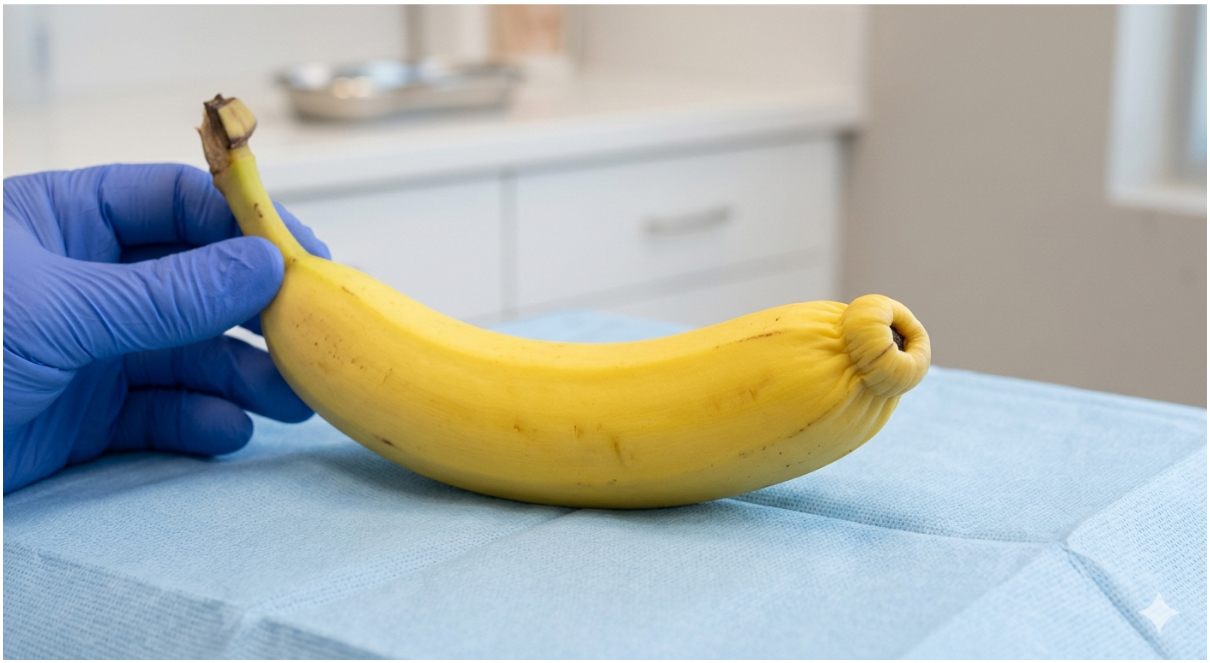
The foreskin is a fold of skin that naturally covers the tip of the penis. Phimosis is a condition in which the foreskin cannot be retracted over the head (glans) of the penis. In most babies and young boys, this is completely normal and usually resolves naturally as they grow. Treatment is only recommended when phimosis causes symptoms such as repeated infections, pain, difficulty passing urine, scarring, or persists beyond the expected age.
There are two types of phimosis:
- Physiological Phimosis: This is the normal, naturally occurring tight foreskin seen in infants and young children. It usually improves without any treatment.
- Pathological Phimosis: This develops due to scarring, repeated infections, inflammation, or injury to the foreskin. Unlike physiological phimosis, it may require medical or surgical treatment.
Most children with physiological phimosis do not need surgery, and parents should avoid forcefully retracting the foreskin.
Is Phimosis Normal in Children?
Yes. In the majority of young boys, a non-retractable foreskin is completely normal. It is part of normal growth and development rather than a disease.
As children grow, the foreskin gradually becomes more flexible and separates naturally from the glans. This process varies from one child to another and may continue into adolescence.
Parents should never attempt to force the foreskin back, as this can cause pain, bleeding, scarring, and increase the risk of developing pathological phimosis.
If your child has no pain, infections, or difficulty passing urine, reassurance and regular follow-up are often all that is required.
Symptoms of Phimosis
While physiological phimosis is usually symptom-free, pathological phimosis may cause:
- Persistent inability to retract the foreskin
- Pain while passing urine
- Ballooning of the foreskin during urination
- Redness or swelling of the foreskin
- Recurrent infections of the foreskin (balanitis)
- Bleeding or cracking of the foreskin
- Pain during cleaning
- Difficulty maintaining proper hygiene
- Difficulty passing urine in severe cases
If your child experiences any of these symptoms, consultation with a pediatric surgeon is recommended.
When Should You Consult a Pediatric Surgeon?
Parents should seek medical advice if their child has:
- Repeated foreskin infections
- Pain or burning during urination
- Difficulty passing urine
- Persistent ballooning of the foreskin while urinating
- Bleeding or scarring of the foreskin
- Tight foreskin that does not improve with age
- A foreskin stuck behind the head of the penis (paraphimosis), which is a medical emergency
Early evaluation helps determine whether the condition is a normal developmental variation or requires treatment.
What Causes Phimosis?
Physiological phimosis occurs naturally and is part of normal childhood development.
Pathological phimosis may develop due to:
- Repeated infections of the foreskin
- Forceful retraction of the foreskin
- Scarring following injury
- Chronic inflammation
- Certain skin conditions affecting the foreskin
- Poor genital hygiene
Identifying the underlying cause helps determine the most appropriate treatment plan.
How is Phimosis Diagnosed?
Phimosis is usually diagnosed during a clinical examination by a pediatric surgeon. No blood tests or imaging studies are required.
During the consultation, Dr. D. Bhadoo will assess:
- The degree of foreskin tightness
- Signs of infection or scarring
- Urinary symptoms
- Previous episodes of balanitis or urinary tract infection
- Your child’s overall health and medical history
A careful examination allows an accurate diagnosis while ensuring your child remains comfortable throughout the assessment.
Treatment Options for Phimosis
Treatment depends on the child’s age, symptoms, and whether the phimosis is physiological or pathological.
- Observation: Most young boys with physiological phimosis require no treatment. Regular observation and proper hygiene are usually sufficient, as the foreskin often becomes retractable naturally in 90% by 4 years of age and in 95% by 6 years of age.
- Topical Steroid Creams: For selected children, prescription steroid creams may help soften the foreskin and improve retraction over several weeks. This treatment is safe and effective when used under the guidance of a pediatric surgeon.
- Gentle Stretching Exercises: Gentle stretching techniques may be advised alongside medical treatment. These exercises should only be performed as instructed by your doctor. Forceful stretching should always be avoided.
- Circumcision: Circumcision may be recommended if:
- Phimosis is severe
- Recurrent infections continue despite treatment
- Significant scarring is present
- There is difficulty passing urine
- Conservative treatment has not been successful
The decision for surgery is made only after careful evaluation and discussion with parents.
Pediatric Circumcision: What Parents Should Expect
Circumcision for pathological phimosis is usually performed as a daycare procedure under general anesthesia, allowing your child to return home on the same day.
The procedure typically takes less than an hour. Modern surgical techniques focus on minimizing discomfort, reducing bleeding, and promoting faster healing.
Before surgery, parents receive detailed instructions regarding preparation, anesthesia, postoperative care, and follow-up to ensure a smooth recovery.
Recovery After Circumcision
Most children recover quickly after circumcision.
During recovery, parents can expect:
- Mild discomfort for a few days
- Slight swelling around the surgical site
- Return to normal activities within one to two weeks
- Simple wound care and pain medications as prescribed
- Follow-up visits to monitor healing
Most children resume school and routine activities soon after recovery, depending on their comfort level and the surgeon’s advice.
What Happens if Phimosis is Left Untreated?
Not every child with phimosis requires treatment. However, pathological phimosis that causes symptoms, should not be ignored.
Untreated symptomatic phimosis may lead to:
- Recurrent foreskin infections
- Urinary tract infections
- Pain during urination
- Difficulty maintaining hygiene
- Progressive scarring
- Paraphimosis, a painful emergency where the foreskin becomes trapped behind the head of the penis
Why Choose Dr. D. Bhadoo for Phimosis Treatment in Jaipur?
Choosing the right pediatric surgeon is an important step in your child’s care. Dr. D. Bhadoo provides specialized treatment for pediatric surgical and urological conditions with a focus on compassionate, evidence-based care.
Parents choose Dr. D. Bhadoo because of:
- Specialized expertise in Pediatric Surgery and Pediatric Urology
- Child-friendly consultation and treatment approach
- Individualized treatment plans based on each child’s needs
- Emphasis on conservative treatment whenever appropriate
- Safe daycare surgical procedures
- Modern surgical techniques with faster recovery
- Comprehensive parent counselling before and after treatment
- Dedicated follow-up to ensure optimal results
Every child is unique, and treatment recommendations are tailored to achieve the best possible outcomes while minimizing discomfort and anxiety.
Frequently Asked Questions
Is phimosis normal in a 3-year-old child?
Yes. A tight foreskin is common in young boys and often resolves naturally. If your child has no pain, infections, or urinary problems, treatment is usually not required.
Does every child with phimosis need circumcision?
No. Most children with physiological phimosis improve naturally. Circumcision is generally reserved for children with pathological phimosis or persistent symptoms especially if scarring is present.
Can phimosis go away without surgery?
Yes. Many children experience natural loosening of the foreskin as they grow. Some cases also respond well to topical steroid therapy.
Is circumcision safe for children?
Yes. When performed by an experienced pediatric surgeon, circumcision is a safe and commonly performed procedure with excellent outcomes.
How long does recovery take after circumcision?
Most children recover within one to two weeks and can gradually return to normal activities based on the surgeon's advice.
Can phimosis return after treatment?
Recurrence is uncommon after successful treatment. Following your doctor's instructions regarding hygiene and follow-up helps reduce the risk of future problems.
When should I consult a pediatric surgeon?
If your child has pain, repeated infections, difficulty passing urine, bleeding, or persistent tight foreskin causing symptoms, an evaluation by a pediatric surgeon is recommended.
Schedule a Consultation
If your child has persistent tight foreskin, recurrent infections, pain, or difficulty passing urine, early evaluation can help prevent complications and ensure timely treatment. Dr. D. Bhadoo offers expert diagnosis and personalized management for phimosis in children, including both conservative treatment and advanced daycare surgery when required. Schedule a consultation to receive the right care and guidance for your child’s health.